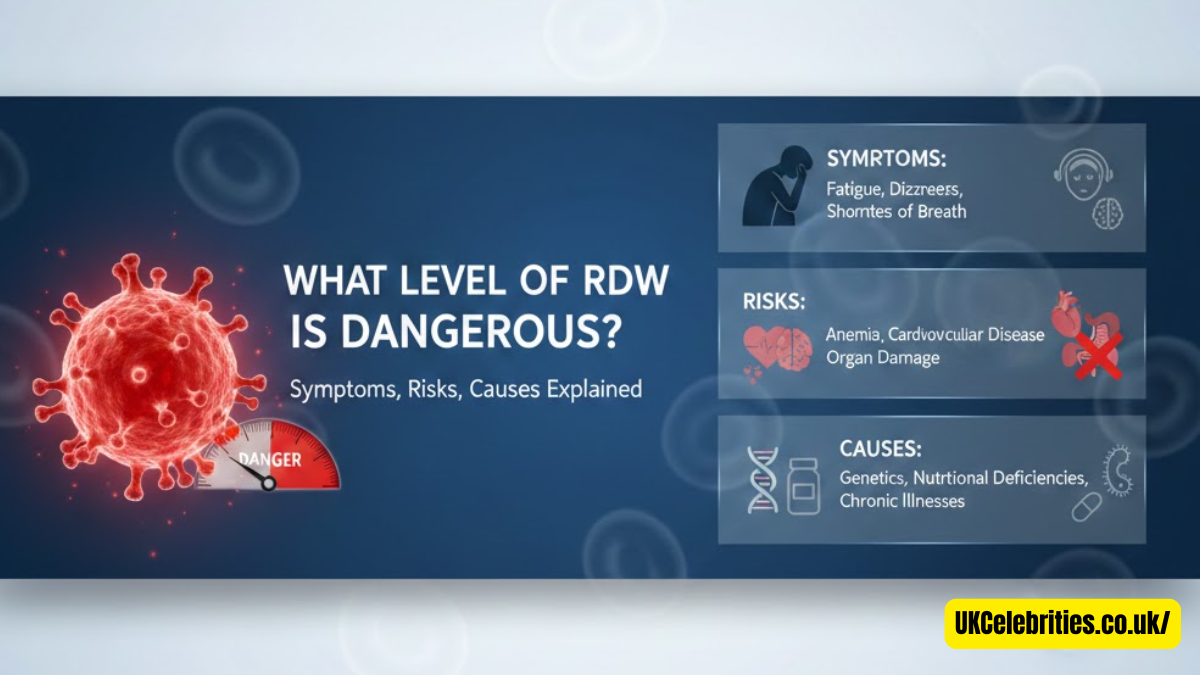
What Level Of RDW Is Dangerous: Symptoms, Risks, Causes Explained
Red blood cells are one of those things most of us don’t think about until a test comes back with something unusual. One of the markers your doctor might point out is RDW, which stands for Red Cell Distribution Width. Now, many people ask, “What level of RDW is dangerous?” because it sounds alarming. Honestly, it’s not just a random number—it can tell you a lot about your body’s health. In this article, I’ll break down everything in plain, simple terms, sharing insights from experience and real-life scenarios, so you can understand what those numbers mean and what you should do about them.
What RDW Actually Measures
Before worrying about dangerous levels, it’s helpful to know what RDW actually does. Think of your red blood cells as tiny delivery trucks carrying oxygen to every part of your body. Ideally, they’re all roughly the same size. RDW measures how much variation there is in these sizes.
- A low RDW means most red blood cells are similar in size.
- A high RDW means there’s a big mix—some cells are tiny, others are large.
For example, I had a friend who went for a routine blood test. His RDW was slightly elevated. At first, he panicked, but after discussing it with his GP, it turned out he had mild iron deficiency from a diet that didn’t include enough meat or leafy greens. The variation in red blood cells was a warning signal, not an emergency—yet.
Normal RDW Range
In adults, the typical RDW range is usually between 11.5% and 14.5%. This range can slightly differ depending on the lab, but these numbers are what most UK doctors refer to. If your RDW is within this range, your red blood cells are considered fairly consistent in size, which usually points to healthy blood production.
However, it’s when RDW creeps above 14.5% that questions start arising. What level of RDW is dangerous really depends on how high the number goes and what other blood markers are doing at the same time.
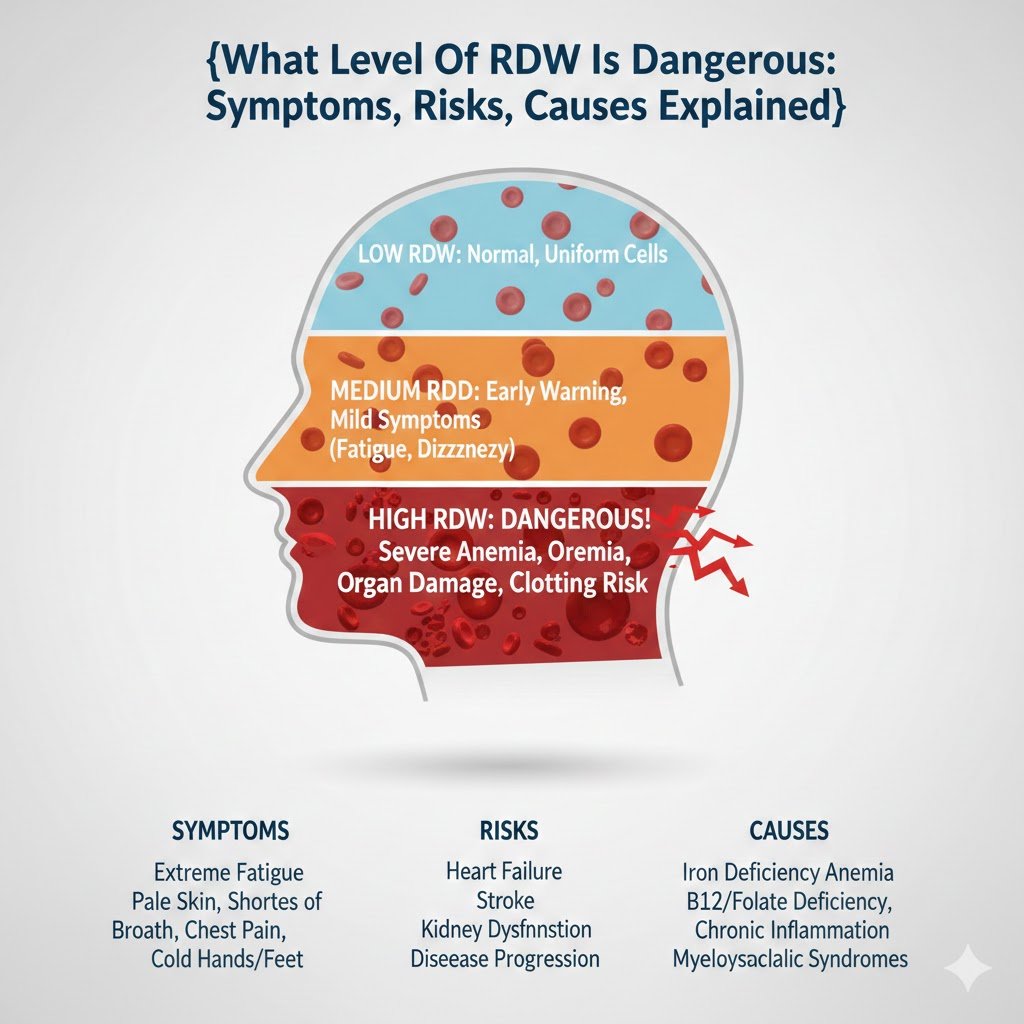
Mildly Elevated RDW (14.5% – 18%)
Let’s start with the first warning zone. RDW between 14.5% and 18% is considered mildly elevated. It doesn’t always mean something severe. In many cases, it could be linked to:
- Slight iron deficiency
- Recent illness or infection
- Short-term changes like dehydration or heavy exercise
I remember my cousin had an RDW of 15.2%. She was training for a marathon, and her doctor explained that her blood was producing a mix of younger and older red blood cells to cope with the extra oxygen demand. After a month of proper hydration and iron-rich diet, her RDW normalized.
So, mild elevation isn’t automatically dangerous, but it’s a signal that your body is under some kind of stress.
Moderate RDW Elevation (18% – 26%)
This is where things get a bit more serious. RDW levels above 18% indicate moderate anisocytosis, meaning the red blood cells vary significantly in size. In real life, this is usually associated with:
- Severe iron deficiency anemia: Your body simply can’t produce enough healthy red blood cells.
- Vitamin B12 or folate deficiency: These vitamins are crucial for proper red blood cell formation.
- Chronic conditions: Sometimes linked to liver or kidney problems.
I once knew a patient in her 50s whose RDW was 22%. She was experiencing constant fatigue, dizziness, and even shortness of breath on walking up a flight of stairs. Her doctor quickly ordered further tests and discovered B12 deficiency. After supplementation, her RDW started trending downward, and her symptoms improved.
The lesson here: moderate elevation often points to something that needs active attention and possibly lifestyle or dietary changes.
Severe RDW Elevation (>26%)
Now we’re talking about the danger zone. RDW above 26% is considered severe and usually signals major health issues. Causes often include:
- Sideroblastic anemia: A rare but serious condition where the bone marrow produces abnormal red blood cells.
- Advanced chronic diseases: Heart failure, diabetes complications, or liver/kidney dysfunction.
- Certain cancers: Blood cancers, like leukemia, or chronic inflammatory conditions.
In practice, someone with RDW this high would almost always have other abnormal blood test results as well. Immediate consultation with a healthcare provider is crucial. I once read about a man whose RDW was 28% alongside low hemoglobin. He was diagnosed with a serious hematological disorder early enough to start treatment effectively—something that wouldn’t have been noticed without monitoring RDW.
How RDW Levels Affect Daily Life
It’s easy to ignore a number like RDW because it doesn’t always produce noticeable symptoms. But your red blood cells play a huge role in energy, brain function, and overall wellbeing. Common symptoms people might experience with elevated RDW include:
- Fatigue or constant tiredness
- Pale skin
- Shortness of breath
- Lightheadedness or dizziness
These symptoms can easily be mistaken for stress, poor sleep, or even ageing. That’s why regular blood tests are valuable, especially for people with family history of anemia or chronic illnesses.
What RDW Can Reveal Beyond Blood Health
Interestingly, RDW isn’t just about anemia. Research shows that a high RDW can correlate with other health risks:
- Cardiovascular issues: Studies suggest people with high RDW may have a slightly higher risk of heart attacks or heart failure.
- Diabetes management: Blood sugar swings can sometimes affect red blood cell production.
- Cancer warning signs: While not diagnostic, elevated RDW alongside other markers can sometimes point to underlying cancers, like colorectal or blood cancers.
Of course, RDW alone doesn’t diagnose these conditions—it’s more like an early warning light that prompts further investigation.
Causes of High RDW
Understanding why RDW rises is key to managing it. Some common causes include:
Nutritional Deficiencies
Iron, vitamin B12, and folate are the most common culprits. Low levels mean your bone marrow struggles to produce uniform red blood cells.
Chronic Diseases
Conditions like kidney disease, liver disease, and even chronic inflammation can affect red blood cell production and survival.
Hematologic Disorders
Certain types of anemia, like sickle cell or thalassemia, create abnormal red blood cell sizes, leading to higher RDW.
Lifestyle Factors
Long-term alcohol use, extreme dieting, or very intense physical training can contribute to RDW fluctuations.
For instance, a friend of mine, a vegetarian, had high RDW due to low B12 intake. Simple dietary changes corrected the levels, demonstrating that lifestyle adjustments can make a tangible difference.
How Doctors Use RDW Alongside Other Tests
RDW is rarely evaluated in isolation. Doctors usually look at RDW along with:
- MCV (Mean Corpuscular Volume): Measures the average red blood cell size.
- Hemoglobin: The oxygen-carrying protein in red blood cells.
- Complete Blood Count (CBC): Offers a broader picture of blood health.
By looking at these together, physicians can better pinpoint whether elevated RDW is mild, moderate, or severe—and what’s causing it.
When to Seek Medical Advice
If your RDW is above 14.5%, it’s worth discussing with your doctor, especially if you have symptoms like fatigue, dizziness, or pale skin. But if it’s above 18%, you should consider timely evaluation. Above 26%, urgent consultation is highly recommended.
In my personal experience, waiting too long can delay diagnosis of treatable conditions. RDW is a silent marker that often reveals problems before they become obvious physically.
Managing High RDW
Managing elevated RDW involves addressing the underlying cause:
- Dietary changes: Increasing iron, B12, and folate intake.
- Treating chronic illnesses: Proper management of kidney, liver, or heart conditions.
- Medication adjustments: Some drugs can affect red blood cell production.
- Regular monitoring: Blood tests every few months to track improvement.
Small lifestyle changes, like a balanced diet and hydration, can sometimes normalize RDW without medication.
Real-Life Examples
- Jane, 32: Mildly elevated RDW from iron deficiency. Iron supplements and more leafy greens brought levels down in 3 months.
- Mark, 47: RDW at 20% due to B12 deficiency. Monthly injections improved energy and normalized RDW.
- Eleanor, 60: RDW at 27% indicated serious anemia; early intervention prevented complications.
These stories show that while RDW is a critical marker, outcomes depend on early detection and addressing the root cause.
FAQs
1. Can high RDW go back to normal?
Yes. If the underlying cause, like nutrient deficiency or chronic illness, is treated, RDW can normalize over time.
2. Does high RDW always mean anemia?
Not always. It often points to anemia, but it can also reflect other conditions or temporary stress on the body.
3. Is RDW dangerous on its own?
RDW is not inherently dangerous; it’s a marker that signals something may be wrong. Context matters.
4. How often should RDW be checked?
Routine blood tests usually cover it. If elevated, your doctor may recommend rechecks every few months.
5. Can lifestyle changes affect RDW?
Absolutely. Diet, hydration, and managing chronic conditions can significantly influence RDW levels.
Conclusion
Understanding what level of RDW is dangerous helps you make informed choices about your health. While mild elevation isn’t usually alarming, moderate or severe increases should not be ignored. Paying attention to RDW, along with other blood markers, can catch potential issues early and guide effective management. In real life, small changes—like adjusting your diet or treating vitamin deficiencies—can make a big difference. Always consult your healthcare provider to interpret your results correctly and take action when needed.
Read Also