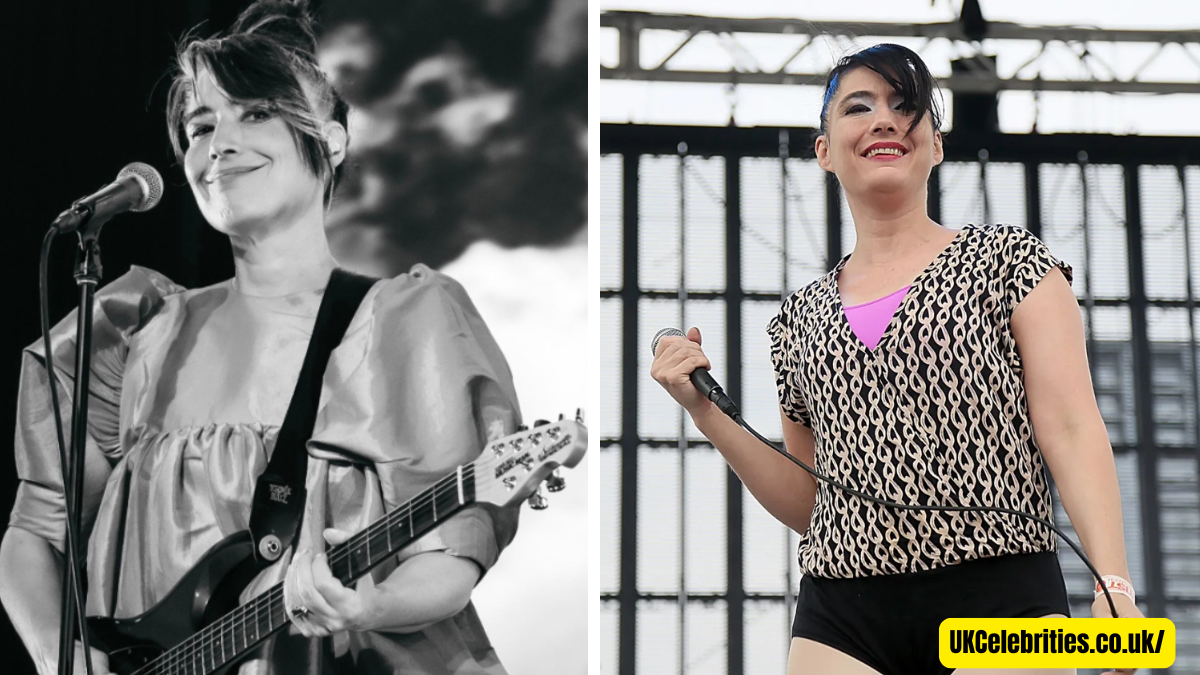
Kathleen Hanna: The Definitive Guide to a Punk Icon, Cultural Revolutionary, and Feminist Voice
Kathleen Hanna: A Cultural Force That Redefined Punk, Feminism, and Creative Resistance
Kathleen Hanna stands as one of the most influential cultural figures to emerge from the intersection of punk music, feminist activism, and underground art. Her work reshaped not only how music could sound, but how it could function as a vehicle for social change, personal expression, and collective empowerment.
This in-depth guide explores her life, creative output, and enduring relevance with clarity and respect for nuance. Rather than mythologizing or oversimplifying, it traces how her ideas, voice, and presence helped redefine entire movements while continuing to resonate across generations.
Early Life and Formative Influences
Kathleen Hanna was born into a world that often dismissed the voices she would later amplify, and those early tensions became foundational to her worldview. Growing up amid instability and social constraints, she developed an acute awareness of power, silence, and the importance of speaking up.
Her early exposure to performance, poetry, and radical politics helped shape a creative identity that rejected passive consumption. Even before music entered the picture, she understood art as an active tool for survival, communication, and resistance.
Entry Into Punk and Underground Culture
When Kathleen Hanna entered punk spaces, she encountered both liberation and exclusion, a duality that sharpened her resolve. Punk offered raw energy and autonomy, but it also mirrored broader societal sexism that pushed women to the margins.
Rather than adapting quietly, she challenged the norms from within, using performance and confrontation as strategies. This approach transformed punk shows into participatory spaces where presence itself became political.
The Birth of Bikini Kill
Bikini Kill emerged not merely as a band but as a statement of intent, with Kathleen Hanna at its unapologetic center. The group fused abrasive sound with confrontational lyrics that named experiences long ignored in music culture.
Their shows were chaotic, communal, and deliberately disruptive, reframing concerts as spaces for dialogue and empowerment. The band’s existence questioned who music was for and who was allowed to be heard.
Riot Grrrl as a Movement
The Riot Grrrl movement cannot be understood without acknowledging Kathleen Hanna’s catalytic role. While never claiming ownership, her work provided language, urgency, and visibility that helped the movement coalesce.
Riot Grrrl zines, meetings, and shows created decentralized networks of feminist exchange. These spaces allowed young women to articulate anger, creativity, and solidarity outside mainstream frameworks.
Zines, DIY Media, and Cultural Literacy
Zines became an extension of Kathleen Hanna’s philosophy that access mattered more than polish. These handmade publications circulated ideas that mainstream media refused to print, fostering intimate and radical conversations.
Through zines, she and her peers built alternative archives of lived experience. They documented emotions, politics, and identities with a directness that academic or commercial channels often lacked.
Performance as Political Practice
Kathleen Hanna treated performance as an act of disruption rather than entertainment. Her onstage presence broke the barrier between artist and audience, insisting on attention and accountability.
This approach reframed vulnerability as strength, using voice and body language to challenge both personal and structural silencing. Performance became a rehearsal for resistance beyond the venue.
Feminism Beyond Theory
Rather than abstract ideology, Kathleen Hanna’s feminism was grounded in lived reality. Her lyrics and speeches addressed assault, autonomy, and agency with specificity that resonated deeply.
By centering personal narratives, she helped normalize conversations previously deemed inappropriate or uncomfortable. This emphasis on experience reshaped feminist discourse within creative spaces.
Media Backlash and Misrepresentation
Mainstream media often misunderstood or deliberately distorted Kathleen Hanna’s work. Sensationalist coverage reduced complex ideas to caricature, framing activism as provocation rather than critique.
These misrepresentations highlighted the friction between grassroots movements and commercial narratives. They also reinforced the importance of self-defined platforms and community-controlled storytelling.
Transition to Le Tigre
Le Tigre marked an evolution in Kathleen Hanna’s artistic expression, blending electronic sounds with pop accessibility. The shift expanded her audience without diluting her political commitments.
This era demonstrated adaptability as a form of resilience. By embracing new genres, she challenged assumptions about what protest music could sound like.
Art, Humor, and Accessibility
Humor became a strategic tool in Kathleen Hanna’s later work, allowing difficult topics to reach broader audiences. Playfulness softened entry points without sacrificing depth.
This balance between seriousness and wit made activism feel participatory rather than punitive. It invited listeners to engage rather than retreat.
Health, Silence, and Public Absence
Periods of absence due to health challenges added complexity to Kathleen Hanna’s public narrative. Rather than diminishing her influence, these moments highlighted the costs of constant visibility.
Her openness about illness later contributed to broader conversations around chronic health and creative labor. Silence, in this context, became another form of truth-telling.
Return to Public Discourse
When Kathleen Hanna re-emerged in interviews and projects, her reflections carried accumulated insight. She spoke with clarity about boundaries, sustainability, and growth.
This return emphasized that influence need not be constant to be meaningful. Strategic presence can be as powerful as perpetual output.
Legacy in Contemporary Music
Many contemporary artists cite Kathleen Hanna as a formative influence, particularly those navigating gendered expectations. Her impact is audible in both sound and stance.
Beyond stylistic echoes, her legacy lives in the confidence of artists who demand space unapologetically. Influence here is cultural rather than merely musical.
Influence on Feminist Activism
Kathleen Hanna’s methods continue to inform activist strategies that prioritize voice, accessibility, and creativity. Her work demonstrated that protest could be both personal and collective.
This approach has shaped campaigns that blend art, narrative, and direct action. Activism became less about slogans and more about sustained dialogue.
Academic and Cultural Recognition
Scholars increasingly examine Kathleen Hanna within frameworks of cultural studies and gender theory. Her work provides tangible examples of theory in action.
This recognition underscores her role not just as a musician, but as a cultural architect. Academia’s interest reflects the durability of her contributions.
Misconceptions About Riot Grrrl
One common misconception frames Riot Grrrl as exclusionary or monolithic, often simplifying Kathleen Hanna’s role. In reality, the movement was fragmented and contested.
Understanding these tensions is essential to appreciating its complexity. Conflict, debate, and evolution were integral rather than problematic.
Digital Culture and Modern Parallels
The ethos Kathleen Hanna championed finds parallels in today’s digital activism. Social media has amplified voices but also replicated old power dynamics.
Her emphasis on community and accountability offers valuable lessons for navigating online spaces. Technology changes, but principles endure.
Storytelling as Survival
Storytelling functioned as survival for Kathleen Hanna, a way to reclaim narrative control. Sharing stories disrupted isolation and fostered recognition.
This emphasis on narrative remains central to feminist and activist practice. Stories create continuity across time and space.
A Quote That Captures the Ethos
As Kathleen Hanna once stated, “Girls to the front” was never just about physical placement; it was about visibility, safety, and voice. That phrase condensed a philosophy into an actionable moment.
The quote continues to circulate because it names a need that persists. It remains relevant precisely because the work is unfinished.
Table: Key Phases of Creative Evolution
| Phase | Primary Medium | Core Focus | Cultural Impact |
| Early Punk | Performance and poetry | Voice and confrontation | Challenged gender norms |
| Bikini Kill Era | Punk music | Feminist visibility | Sparked Riot Grrrl |
| Zine Culture | DIY publishing | Community dialogue | Alternative media networks |
| Le Tigre Period | Electronic pop | Accessibility and humor | Broader audience reach |
| Later Reflections | Interviews and writing | Sustainability and legacy | Intergenerational influence |
This progression illustrates how adaptation sustained relevance without abandoning principles. Each phase built upon the last, creating cumulative impact.
Teaching the Next Generation
Educational settings increasingly reference Kathleen Hanna when discussing art as activism. Her work offers concrete case studies for students.
Teaching her legacy emphasizes agency and experimentation. It encourages learners to see creativity as a tool rather than a product.
Commercialization and Resistance
As feminist aesthetics entered mainstream markets, tensions emerged around commodification. Kathleen Hanna consistently critiqued dilution of meaning.
Her stance reminds audiences that visibility without substance can undermine movements. Resistance requires ongoing vigilance.
Intersectionality and Limitations
Critiques of early Riot Grrrl spaces highlighted gaps around race and class. Kathleen Hanna later acknowledged these shortcomings.
Such reflections demonstrate growth rather than failure. Movements evolve through self-examination and accountability.
Personal Voice Versus Icon Status
Icon status can obscure individuality, a tension Kathleen Hanna navigated carefully. She resisted becoming a static symbol.
By emphasizing process over perfection, she modeled a more humane form of leadership. Icons, too, are allowed complexity.
Enduring Relevance
The continued relevance of Kathleen Hanna lies in her refusal to separate art from ethics. Her work insists on coherence between values and action.
In a fragmented media landscape, this integrity stands out. It offers a blueprint for sustainable cultural engagement.
Conclusion: Why Her Voice Still Matters
Kathleen Hanna’s impact cannot be reduced to a single band, movement, or era. Her true contribution lies in expanding what creative resistance can look like across contexts.
By centering voice, community, and accountability, she reshaped cultural expectations. Her legacy endures because it remains useful, adaptable, and unfinished.
Frequently Asked Questions
Who is Kathleen Hanna?
Kathleen Hanna is a musician, activist, and writer known for shaping feminist punk culture and influencing generations of artists through music and advocacy.
Why is Kathleen Hanna important to punk history?
Kathleen Hanna challenged gender norms within punk, transforming it into a more inclusive and politically engaged space.
What is Kathleen Hanna’s connection to Riot Grrrl?
Kathleen Hanna played a key role in popularizing Riot Grrrl ideas through music, zines, and performance, helping the movement gain visibility.
Did Kathleen Hanna only work in punk music?
While rooted in punk, Kathleen Hanna explored electronic pop, performance art, and writing, demonstrating creative versatility.
How does Kathleen Hanna influence artists today?
Kathleen Hanna’s emphasis on voice, autonomy, and activism continues to inspire artists navigating identity, politics, and creative expression.