Blog Gaming Dualmedia: Interactive Guides, Tips, News, Reviews, Strategies
Gaming content has evolved so much in recent years. Gone are the days when blogs were just walls of text or simple news updates. Today, the way gamers consume information blends written articles, video clips, gameplay snippets, and interactive media. If you’re a gamer, content creator, or just curious about modern gaming trends, understanding the “Blog Gaming Dualmedia” approach is essential. It’s a method that merges storytelling with interactivity, making reading as engaging as playing the game itself. Let’s dive into what makes this style of content so compelling and how it’s changing the way we connect with games.
What Is Blog Gaming Dualmedia?
At its core, this approach combines traditional blog writing with multimedia elements—think videos, GIFs, audio clips, and interactive game demos. It’s not just about writing; it’s about creating an experience. Imagine reading a guide for a complex game like Elden Ring, and right beside the steps, you have a short clip showing exactly how to defeat a tricky boss. That’s Blog Gaming Dualmedia in action.
Unlike older gaming blogs that relied solely on text and screenshots, this method creates an immersive experience. It’s partly journalism, partly tutorial, partly entertainment. Readers don’t just consume information—they interact with it.
Why Gamers Prefer Interactive Content
Gamers have always been visual learners. If you’ve ever tried learning a strategy just from a text walkthrough, you know how frustrating it can be. Videos and interactive elements make understanding much easier.
For example, when I was trying to get through a difficult level in Dark Souls, reading a blog alone didn’t help. But a guide that included a quick gameplay clip alongside written tips saved me hours of trial and error. Blog Gaming Dualmedia capitalizes on this instinct, providing both written and visual cues for a more complete understanding.
How to Create Engaging Dualmedia Content
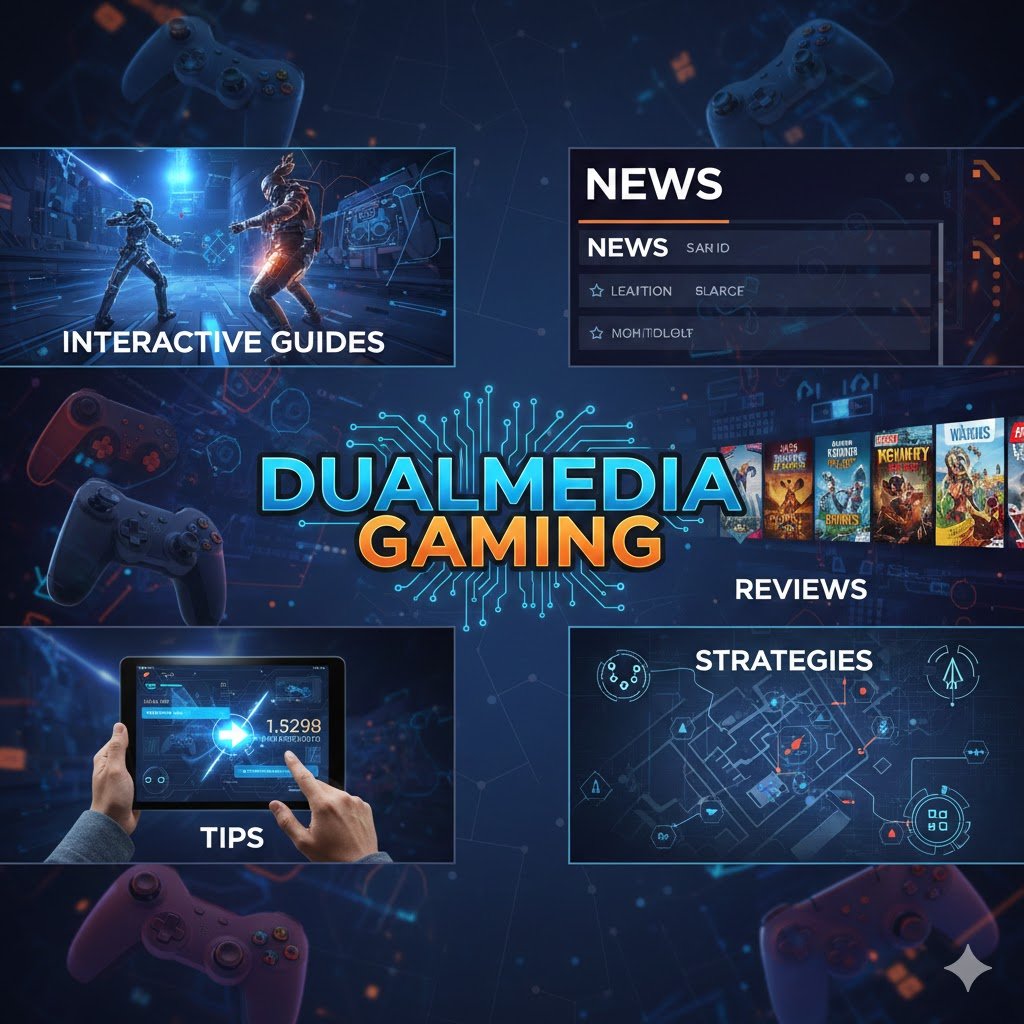
Creating content in this style doesn’t have to be overwhelming. Here’s a simple approach:
1. Start With a Strong Written Base
Even with multimedia, your words matter. Your text should explain the concepts clearly, provide context, and guide the reader through the experience. Think of it like narrating a story while showing scenes from a movie.
2. Add Visual Elements Thoughtfully
Screenshots, GIFs, and video clips should enhance, not overwhelm. Use them where they make your point clearer. For instance, if explaining a complex combo in a fighting game, a short video can demonstrate it much faster than paragraphs of description.
3. Include Interactive Features
Polls, quizzes, or embedded mini-games can make your blog feel like a playground. Interactive elements also encourage readers to spend more time on your page, which is good for engagement and SEO.
4. Keep It Accessible
Not all readers will have fast internet or large screens. Always provide written explanations alongside multimedia. This ensures everyone can benefit from your content.
Popular Examples of Blog Gaming Dualmedia
Some of the most successful gaming blogs today use this dualmedia approach. Here are a few ways it appears in real life:
- Walkthroughs with embedded videos: Gamers can follow along step by step without leaving the blog.
- Reviews with gameplay snippets: Seeing actual gameplay while reading an analysis helps players judge a game’s style and mechanics.
- Community-driven insights: Some blogs allow users to submit clips, which are integrated into articles for real-world examples.
I remember reading a blog on Hollow Knight that included user-submitted clips of hidden areas. It was like an interactive treasure hunt—much more fun than a typical text guide.
The Benefits for Content Creators
For creators, the dualmedia approach has multiple advantages:
- Higher engagement: Readers spend more time interacting with multimedia content.
- Stronger storytelling: Videos, audio, and interactive elements make explanations more vivid.
- Monetization opportunities: Embedding ads or promoting partnerships works better when users are actively engaged.
I’ve personally noticed that my own posts that included short clips or GIFs got far more comments and shares than plain text articles. It’s proof that this style resonates with an audience.
Challenges and How to Overcome Them
Like any method, Blog Gaming Dualmedia comes with challenges. One common problem is loading speed. Videos and animations can slow down your site, frustrating readers. The solution is simple: optimize file sizes, use lazy loading, and prioritize key content.
Another challenge is balance. Too much multimedia can distract from the actual guide or article. Always ask: “Does this clip, GIF, or interactive element add value?” If not, leave it out.
Finally, copyright concerns can arise when using gameplay footage. Always use original content, get permission from creators, or rely on fair-use guidelines where applicable.
Tips for Readers to Get the Most From Dualmedia Blogs
If you’re a gamer navigating these blogs, here’s how to maximize the experience:
- Engage with interactive features: Take polls, quizzes, or follow embedded mini-tutorials.
- Watch, then read: Sometimes seeing a gameplay clip before reading makes instructions clearer.
- Take notes: Even in interactive blogs, jotting down strategies or tips can help you retain information.
- Participate: Comment sections or forums often contain real-world tips from other readers.
By using the content actively, you’ll learn faster and enjoy a richer gaming experience.
Future of Blog Gaming Dualmedia
The trend is only going to grow. With the rise of AR, VR, and live-streaming, the line between blogging and gameplay will blur even further. Imagine blogs where you can actually try a puzzle within the article or view 360-degree gameplay from multiple perspectives.
Creators who adopt this approach early will not just inform—they’ll entertain, educate, and build communities around their content. Gamers, on the other hand, will benefit from faster learning, richer insights, and more enjoyable reading experiences.
Real-Life Example: A Day Using Dualmedia Blogs
Last month, I was trying to master a speedrun for Celeste. A traditional blog had plenty of tips, but it wasn’t enough. Then I found a blog that incorporated dualmedia. Each segment had short clips, step-by-step images, and even a tiny embedded practice level. Within a single afternoon, I improved more than I had in a week of trial-and-error. It felt like having a tutor right next to me, and that’s the power of this format.
FAQs About Blog Gaming Dualmedia
1. Is Blog Gaming Dualmedia only for professional gamers?
Not at all. It’s useful for anyone who enjoys learning games, from beginners to pros. The multimedia elements help all skill levels understand concepts faster.
2. Can I create a dualmedia blog on a small budget?
Yes. Even simple GIFs, screenshots, and short video clips can transform a plain text blog into an interactive experience. You don’t need fancy software to start.
3. How do interactive elements improve learning?
They provide visual reinforcement. For example, seeing a combo executed in a fighting game video helps the brain process steps faster than text alone.
4. Does dualmedia content affect site speed?
It can if not optimized. Compress videos, use lazy loading, and balance multimedia with text to keep pages responsive.
5. Will dualmedia blogs replace traditional gaming blogs?
Not entirely. Text-based blogs will always have value, but dualmedia blogs provide a richer, more engaging experience that many readers now prefer.
Conclusion
Blog Gaming Dualmedia isn’t just a trend—it’s a reflection of how gamers want to learn, explore, and engage with content today. By combining text, videos, images, and interactive elements, it transforms ordinary blogs into immersive experiences. Whether you’re a content creator looking to innovate or a gamer seeking smarter guides, understanding this approach can make your experience richer, faster, and more enjoyable. The future of gaming content is interactive, and dualmedia blogs are leading the way.