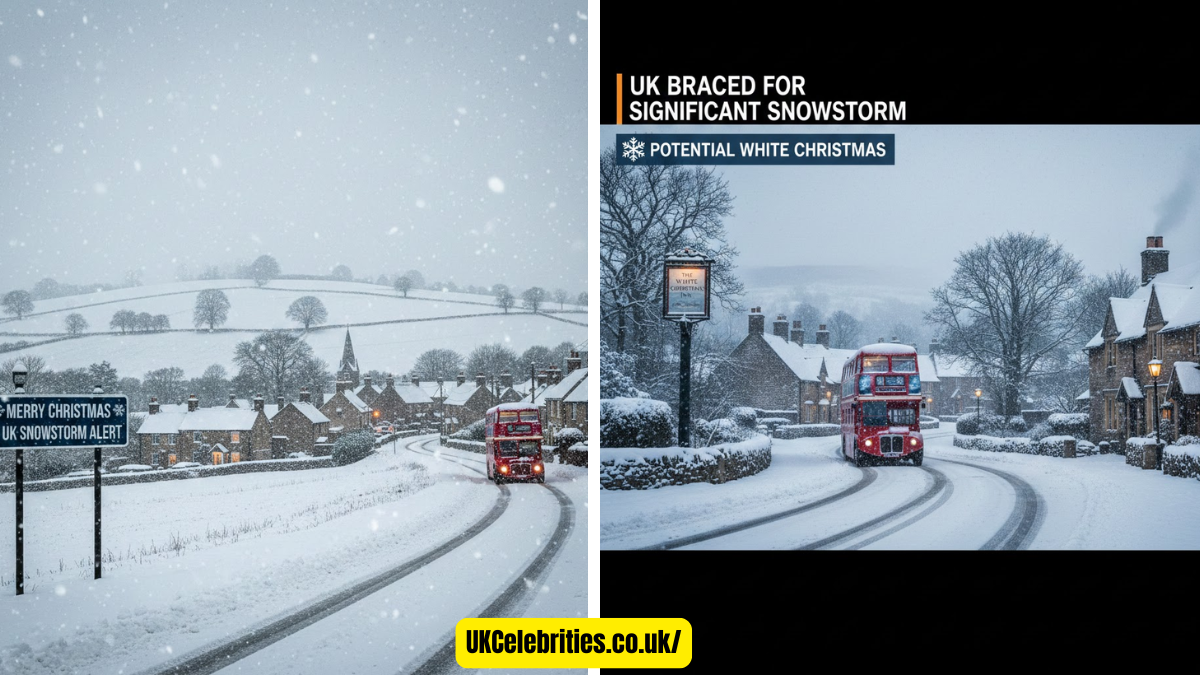
UK Braced For Significant Snowstorm Bringing Potential White Christmas
As the festive season approaches, weather enthusiasts and everyday Britons alike are keeping a close eye on the forecasts. This year, the talk is buzzing: UK braced for significant snowstorm bringing potential white Christmas. It’s the kind of headline that instantly brings images of snow-dusted streets, cozy fireplaces, and children building snowmen. But is it realistic? And how prepared is the UK for such a winter blast? Let’s break it down.
Weather in the UK has always been unpredictable. One day, it can feel like spring, and the next, you might be scraping frost off your car. This year, however, forecasters are warning of a potential significant snowstorm that could coincide with Christmas—a rare treat for those hoping for a picturesque festive holiday. While a white Christmas isn’t guaranteed, there’s certainly a chance for some wintry magic.
Understanding the UK Winter Weather
The UK experiences a maritime climate, meaning winters are usually mild and damp. Snowfall tends to be heavier in Scotland, northern England, and parts of Wales, while southern England often sees just flurries, if any. However, every few years, conditions align to produce more widespread snow, creating the perfect scenario for a festive white Christmas.
When meteorologists say the UK braced for significant snowstorm bringing potential white Christmas, they’re considering several factors: temperature drops, atmospheric pressure patterns, and cold air coming down from the Arctic. Such storms often develop quickly, making preparation and local advisories essential.
How Snowstorms Form in the UK
A snowstorm in the UK is not just about cold weather. It’s a complex interaction of air currents, moisture, and temperature. Often, a storm develops when warm, moist air from the Atlantic meets cold continental air from the north. This clash can create snow showers, blizzards, or even heavy, prolonged snowfall.
The term “significant snowstorm” doesn’t necessarily mean blizzard-level chaos everywhere. In many cases, it can refer to several inches of snow over concentrated areas, particularly uplands or regions that typically see heavier winter weather. For the everyday commuter in London or Birmingham, it could mean icy roads and delays rather than deep snowdrifts.
Recent Snow Trends in the UK
Looking back over the past decade, the UK has seen only a handful of widespread snow events. The last nationwide white Christmas was in 2004, while 2010 brought one of the most memorable snowy festive seasons in living memory, with several days of deep snow across much of the country. These rare events remind us why the idea of the UK braced for significant snowstorm bringing potential white Christmas excites both weather watchers and families alike.
Locals often recall stories of how a single snowflake could completely transform their town. For instance, in northern towns like Newcastle or Edinburgh, snowfall can shut down small roads, while in bigger cities, public transport might grind to a halt. Even a few inches are enough to cause disruption, but also enough to spark that holiday feeling we all hope for.
Potential Impacts on Daily Life
If this snowstorm develops as forecasters predict, it could affect travel, shopping, and outdoor activities in the run-up to Christmas. Commuters might face icy roads, delayed trains, and even temporary school closures in certain areas. Shops could see quieter periods if people choose to stay indoors, but online deliveries may surge as families stock up ahead of the snow.
Many people also see snow as an opportunity. Parks and open spaces turn into natural playgrounds, and for photographers, snowy scenes are irresistible. However, preparation is key. Stocking up on essentials, dressing warmly, and checking local weather warnings are crucial steps for anyone living in areas where snow is likely.
How Meteorologists Predict a White Christmas
Forecasting a white Christmas isn’t easy. Meteorologists use satellite data, temperature models, and historical patterns to predict snowfall. The challenge is that the UK’s climate is highly variable; small changes in wind direction or ocean currents can drastically alter snowfall chances.
When reports say the UK braced for significant snowstorm bringing potential white Christmas, it’s not a guarantee. It’s a heads-up that conditions are favorable for snow in some areas. High ground and northern regions usually have the highest likelihood, while southern areas often see only brief flurries or cold rain.
Preparing for the Snowstorm
From a practical perspective, preparation is essential. Residents in affected areas should consider a few steps:
- Check local weather updates – Trust sources like the Met Office or BBC Weather for accurate forecasts.
- Stock up on essentials – Milk, bread, and other necessities can become hard to get if roads are icy.
- Drive safely – Winter tires or chains, if legal, and reduced speeds on snowy roads can prevent accidents.
- Dress in layers – Keeping warm is not just about comfort; it’s about safety.
- Plan activities indoors – Snow can disrupt outdoor plans, so having alternatives helps families cope.
Local councils often issue advisories for gritters and emergency services, ensuring main roads remain passable. But side streets, rural areas, and footpaths can still be treacherous.
Real-Life Examples from Past Snowfalls
People who experienced previous snowstorms often have vivid memories. In 2010, cities like Manchester and Glasgow saw several days of continuous snow. Schools closed, office commutes became nightmares, but children reveled in sledging adventures. Stories like these remind us that while snow can be disruptive, it also brings moments of joy.
Another memory comes from small towns in Wales, where even a light dusting transformed everyday streets into festive scenes. Residents would hang lights that reflected beautifully off the snow, and local cafés saw a surge in customers seeking hot chocolate and warmth. These human stories make the phrase UK braced for significant snowstorm bringing potential white Christmas feel more tangible and relatable.
Snowfall and Tourism
Interestingly, snow can have an economic impact beyond just disruption. Ski resorts in Scotland and northern England see a boost in visitors during winter storms. Hotels book up, restaurants thrive, and local shops see increased foot traffic. A potential white Christmas can therefore be both a challenge and an opportunity for local economies.
Tourists visiting London might not see heavy snow, but even light flurries can create iconic holiday photo opportunities around landmarks like Tower Bridge or Hyde Park. It’s a chance for the city to feel magical in a way that only winter can create.
Climate Change and Snow in the UK
Climate patterns have shifted over the past few decades, and while global warming generally means milder winters, extreme events are still possible. Cold snaps, like the ones predicted when the UK braced for significant snowstorm bringing potential white Christmas, are influenced by Arctic oscillations and jet stream shifts.
Scientists suggest that while the average UK winter may become less snowy over time, the risk of sudden, intense snowstorms could remain. This paradox explains why rare white Christmases are still newsworthy, sparking interest and excitement even in an era of warming temperatures.
Safety Tips During Snowstorms
While snow is beautiful, it can be hazardous. Simple precautions can make a big difference:
- Walk carefully – Ice can hide under snow, causing slips.
- Keep pets safe – Cold weather affects animals too.
- Monitor travel advisories – Avoid unnecessary trips if conditions worsen.
- Emergency supplies – Blankets, batteries, and water can help if power outages occur.
Preparation ensures that the joy of a white Christmas isn’t overshadowed by danger or inconvenience.
The Cultural Appeal of a White Christmas
Why do Brits care so much about snow at Christmas? Beyond practical concerns, snow has a deep cultural significance. Songs, movies, and holiday traditions all celebrate the snowy festive season. A genuine white Christmas is a rare chance to live out those nostalgic visions. When people read that the UK braced for significant snowstorm bringing potential white Christmas, they imagine children sledging, snowmen dotting gardens, and the warmth of indoor celebrations against a wintry backdrop.
Even small amounts of snow can create that magical atmosphere. A light dusting on Christmas morning often leads to impromptu snowball fights and memorable family photos—a tradition many cherish.
Forecasts for 2025: What to Expect
Weather reports this year suggest cold air moving southward from the Arctic could meet wet systems from the Atlantic. The result? Potential snowfall in Scotland, northern England, and possibly even Wales. Southern England, including London, may see a light flurry at best. The Met Office advises residents to stay informed and plan ahead.
Meteorologists emphasize that while snowfall in December is not unusual, a widespread white Christmas is rare. Yet, even a hint of snow captures the imagination, showing how much anticipation surrounds the festive season in the UK.
Preparing Mentally and Logistically
Apart from practical steps, it’s also important to adjust expectations. Families can plan indoor activities, and communities can prepare for disruptions. A snowstorm can bring challenges, but it can also offer unique moments of joy, creativity, and community spirit. Knowing that the UK braced for significant snowstorm bringing potential white Christmas gives everyone a chance to be ready while still enjoying the festive atmosphere.
FAQs About the Snowstorm and White Christmas
1. How likely is a white Christmas this year?
While forecasts suggest snow in northern and highland regions, the chance of a nationwide white Christmas is low. Even a light flurry counts for the official designation.
2. Which areas are most likely to see snow?
Scotland, northern England, and some parts of Wales are the top contenders. Southern areas may see only icy rain or scattered flurries.
3. How should I prepare for the snowstorm?
Check local forecasts, stock up on essentials, drive carefully, and dress in layers. Simple precautions make a big difference.
4. Can snow affect travel plans?
Yes. Train delays, icy roads, and potential school closures are common. Planning ahead can minimize disruption.
5. Does climate change affect UK snowfalls?
Yes. While winters may generally be milder, extreme snow events can still occur due to shifts in atmospheric patterns.
Conclusion
The idea that the UK braced for significant snowstorm bringing potential white Christmas captures the imagination because snow at Christmas is rare, magical, and memorable. While forecasts suggest localized snow rather than a blanket across the entire country, preparation and awareness can turn challenges into opportunities for fun and family memories. Whether you see a few flakes or a deeper snowfall, the festive season always has the potential to feel special.
Read Also